Finding His Voice: SoulBear Steps Out From Behind the Instrument
Before he became the magnetic frontman audiences know today, SoulBear was more comfortable hiding behind a saxophone. Now, the bilingual singer-songwriter is bringing a lifetime of musical influences, personal stories and unabashed showmanship to Jazz at the Fort Garry Hotel.
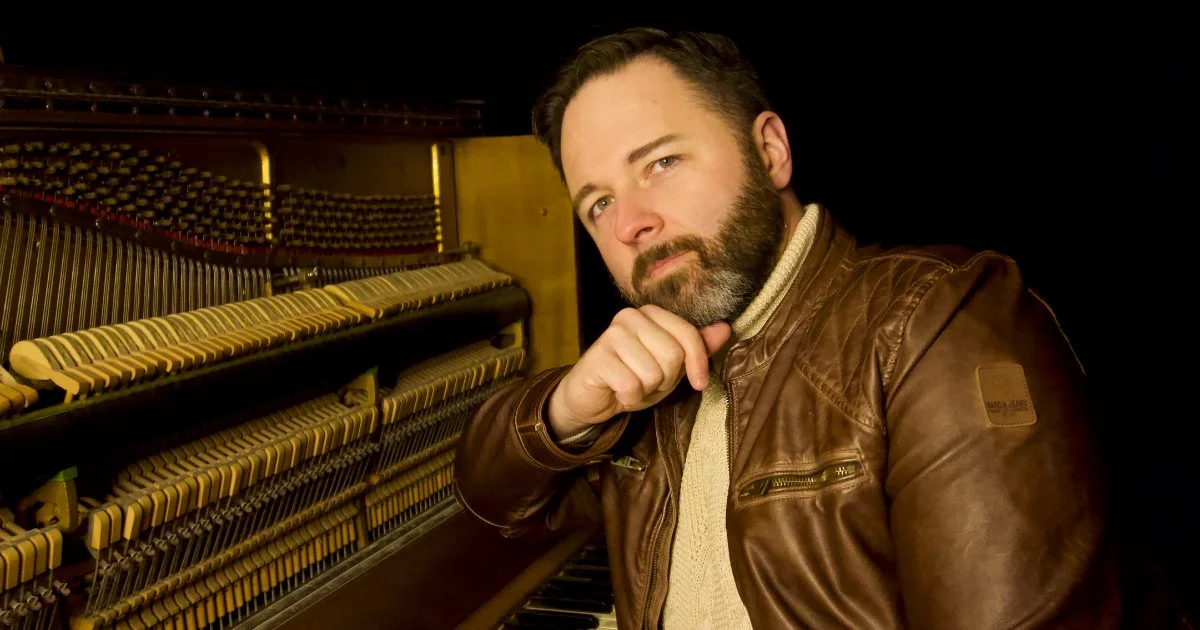
SoulBear is a bilingual singer-songwriter whose sound moves through soul, R&B, pop, rock, and jazz. He brings his charismatic crooning to Jazz at the Fort Garry Hotel on Sunday, Oct. 11.
It can be difficult to imagine SoulBear being afraid of the spotlight after witnessing him deliver a powerful bilingual rendition of the national anthem for crowds in the tens of thousands.
Onstage, he is an entertainer in the fullest sense of the word — a charismatic crooner who talks to the crowd, moves easily between musical styles and makes audience connection part of the performance itself. But that confidence took time — and opportunity — to develop.
“When I was young, I actually was too shy to sing in public,” SoulBear says. “I was very comfortable behind an instrument because I felt like I was hiding myself.”
At the time, there was more than music he was keeping beneath the surface.
“I was also in the closet, so I was hiding a tonne of things.”
The instrument he initially chose was the saxophone. Singing would come later — along with classical training, the possibility of a career in opera, decades of performing and, eventually, the soulful stage persona he carries today.
For SoulBear, finding his musical voice became inseparable from learning to let himself be seen — and a teacher in Quebec City was one of the people who helped change that trajectory.
SoulBear remembers the teacher encouraging him to believe in his abilities within the classical world. As his confidence grew, so did the possibilities. For a time, he thought opera might become his path.
“I was going to become an opera singer,” he says, but his listening continued to expand.
“When I was young, I actually was too shy to sing in public. I was very comfortable behind an instrument because I felt like I was hiding myself.”
Classical music gave way to explorations of pop, rock and R&B, followed eventually by soul and jazz. Rather than settling neatly into a single genre, SoulBear found himself increasingly comfortable moving among them.
Today, when asked what kind of music he makes, his answer begins simply.
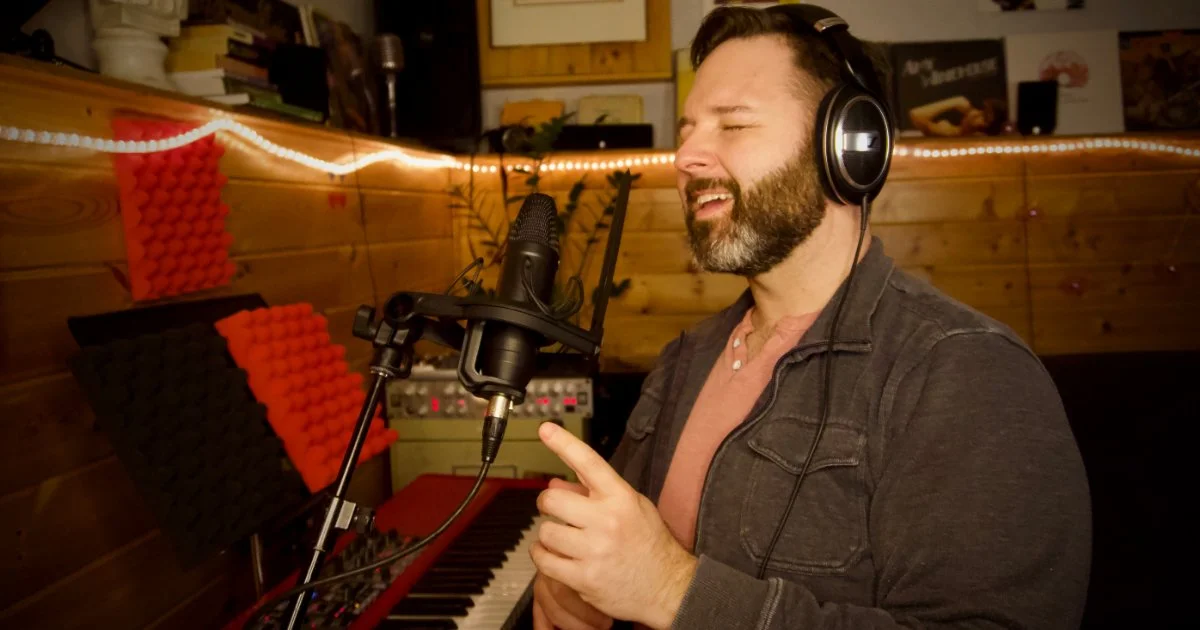
After years of performing across genres, SoulBear brings a mix of soulful vocals, personal storytelling, and audience connection to the stage.
“I’m SoulBear and I play soul music,” he says. “I play a little bit of jazz, but mostly pop, rock and soul.”
His influences are just as wide-ranging: there are the commanding soul voices of Aretha Franklin and Stevie Wonder, alongside the crooner tradition represented by Frank Sinatra, Mel Tormé and Michael Bublé.
Jazz became another part of that musical vocabulary, even if SoulBear is quick to distinguish appreciation from formal training in the tradition.
“I was not trained as a jazz musician,” he says. “I was classically trained and I found my love for pop, rock, R&B and then eventually jazz.”
“I love jazz. I’m a jazz aficionado.”
That openness to different musical languages has become central to his identity as a performer.
SoulBear jokingly describes himself as a “jack of all trades and master of none,” but the range is part of the point. His career has never been about fitting neatly inside one musical box.
His official biography describes a sound rooted in soul, propelled by strong grooves, powerful vocals and horn arrangements that recall the soul music of the 1960s and ’70s while taking a contemporary approach. That same mixture will shape his upcoming performance at Jazz at the Fort Garry Hotel.
Audiences can expect soul at the centre, but not exclusively. Pop, rock, R&B and jazz will all find their way into the room, along with songs in French and a few guests SoulBear is intentionally keeping under wraps.
“There will be a bunch of surprises,” he says.
For him, though, the repertoire is only part of what makes a show work.
“I’m an entertainer. I cannot perform in a place and not talk and not look at people and not engage with them.”
“That is where I’m comfortable,” he says. “That’s what I love to do.”
It is a striking contrast with the young musician who once preferred having an instrument between himself and the audience. Where performing once offered somewhere to hide, it has become a place for connection — and that transformation also runs through SoulBear’s original music.
A Canadian bilingual singer-songwriter, SoulBear writes from personal experience — including his life as a family man, his identity as a gay man, difficult chapters from his past and the optimism he carries toward what comes next.
His music is also closely connected to his advocacy for the 2SLGBTQIA+ community, diversity and social equality.
Rather than separating those parts of himself from the performer audiences meet onstage, SoulBear has increasingly made them part of the story he tells.
Even the name suggests something exposed: music drawn from what his biography describes as the vulnerability of the artist’s “bare soul.”
His recorded work so far includes the singles “Loud and Proud,” “À mon enfant” and “The Greatest Love of All.” A debut album is planned for 2027.
The next stage of his musical life also follows a significant transition away from another long chapter: after 25 years of service in the Canadian Armed Forces, SoulBear is now dedicating more of his time to his own musical projects.
It is another opportunity to ask what happens when the person who has spent years performing for others begins putting more of his own stories at the centre. He notes that live performance remains where those stories make the most sense to him.
SoulBear wants people to hear great songs, but he also wants them to relax, laugh, connect and leave feeling like they were part of something.
“I hope people are entertained, obviously,” he says. “I hope that people come here, enjoy themselves, love the diversity of genres of music that they’re going to hear.”
That belief extends beyond his own shows. For SoulBear, supporting live music is part of sustaining the cultural life of a city.
“Arts is something to really preserve and make an effort to keep and to foster our culture.”
He points to Jazz Winnipeg and other local music organizations as important pieces of that ecosystem — organizations creating stages for artists while making live music accessible to audiences.
“Jazz Winnipeg, I think, has done a tremendous job at making sure that live music is alive, live music is accessible, and that there’s diversity,” he says.
Then he offers perhaps the simplest argument for attending a concert: “I think it’s important for people to get out of their houses, me included, and go enjoy a bit of live music. Just come and chill and have fun.”
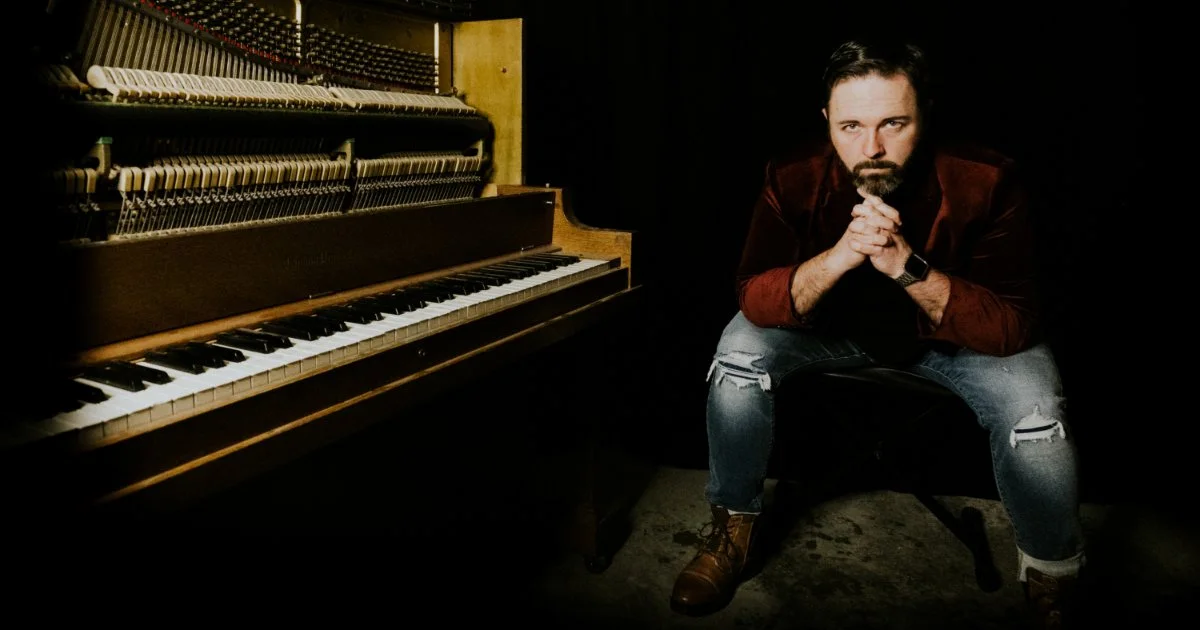
SoulBear performs at Jazz at the Fort Garry Hotel on Sunday, Oct. 11, bringing a wide-ranging set shaped by the music and experiences that have influenced him along the way.
For an artist whose story began with trying not to be noticed, there is something fitting about that invitation.
SoulBear is no longer hiding behind the instrument, he is standing at the front of the room — singing in English and French, moving between the musical traditions that shaped him, sharing pieces of his own story and making sure the people in front of him feel part of the experience.
The genres may change from song to song — but the connection is the constant.
You Can Support More Musical Moments
For SoulBear, live music is about more than performance — it’s about connection, culture, and creating space for people to come together.
“Arts is something to really preserve and make an effort to keep and to foster our culture,” he says.
Your donation helps Jazz Winnipeg support artists, keep live music accessible, and continue creating spaces where audiences and musicians can connect year-round.